

Yes, you can sell old pennies online through marketplaces like eBay, Etsy, Facebook Marketplace, coin auction websites, or your own online store. Valuable pennies typically include wheat pennies, copper pennies, rare mint-mark coins, and error coins.
Whether you’re selling wheat pennies, error coins, or old collectibles from your stash, this guide walks you through where and how to sell coins online, even as a beginner. Here’s what you’ll learn:
- Identify how valuable your coins and pennies are and how to sell them
- Which types of pennies are worth listing, even if you’re not an expert
- The best platforms for listing your coins
- How to showcase your pennies so they stand out
- Where to find fellow collectors in various communities or groups.
You don’t need a rare collection to get started. Just a little curiosity and a handful of pennies. Let’s begin 👏
Can You Sell Old Pennies Online?
Yes, you can sell pennies online, but their value depends on factors such as age, rarity, condition, mint mark, and collector demand.
While most modern pennies are only worth their face value, certain coins (including wheat pennies, copper pennies, error coins, and rare mint editions) can sell for significantly more to collectors.
Before listing your pennies for sale, it’s important to determine whether they have any collectible value. Checking the coin’s date, mint mark, condition, and potential minting errors can help you estimate its worth and avoid selling a valuable coin for less than it’s worth.
If you’re unsure where to start, the next step is learning which pennies are most valuable and how to identify the ones that collectors actively look for.
How to Know if Your Pennies Are Worth Money
Not every old penny is valuable, but some can be worth much more than their face value. Before you list your pennies for sale, take a few minutes to identify key details that collectors and buyers look for.
Check the Date
The year on a penny is often the first clue to its value. Certain dates are more desirable because fewer coins were produced or because they have historical significance.
For example, wheat pennies minted between 1909 and 1958 are generally more collectible than modern Lincoln cents. Some specific years and varieties can be worth significantly more than common pennies, especially if they are in good condition.
Check the Mint Mark
A mint mark indicates where a coin was produced. You can usually find it below the date on older pennies or near the date on newer ones.
Common mint marks include:
- No mint mark: Philadelphia Mint
- D: Denver Mint
- S: San Francisco Mint
Some mint marks are rarer than others, making certain pennies more attractive to collectors. A penny with a low-mintage mint mark may command a higher price than the same coin produced elsewhere.
Evaluate the Coin’s Condition
Condition plays a major role in determining value. Collectors generally pay more for coins that show less wear and retain more of their original details.
When evaluating a penny, look for:
- Clear lettering and dates
- Visible design details
- Minimal scratches or damage
- Original color and surface quality
Coins in uncirculated or near-mint condition often sell for considerably more than heavily worn examples.
Look for Rare Errors
Minting errors can make an ordinary penny much more valuable. Collectors actively search for unusual coins that were produced with mistakes during the manufacturing process.
Examples include:
- Double die errors
- Off-center strikes
- Missing design elements
- Repunched mint marks
If a penny appears unusual compared to others from the same year, it may be worth researching further before selling.
Compare Recent Sales
One of the easiest ways to estimate a penny’s value is to compare it with similar coins that have recently sold. Search for coins with the same: Date, Mint mark, Condition, Error type (if applicable).
Looking at completed or sold listings can provide a more realistic idea of what buyers are currently willing to pay than active listings alone.
Consider Professional Grading for Valuable Coins
If you believe you have a rare or high-value penny, professional coin grading may be worth considering. A certified grade can help verify authenticity, establish condition, and increase buyer confidence.
However, grading services typically involve a fee, so they are usually best reserved for coins that already appear to have significant collector value.
Quick Answer: Pennies are typically worth more when they are older, have rare mint marks, are in excellent condition, or contain minting errors. Comparing recent sales of similar coins is one of the easiest ways to estimate their market value before selling.
Which Pennies Are Worth Selling Online?
Not every penny is valuable, but certain types of coins tend to attract more interest from collectors and buyers. If you’re planning to sell pennies online, identifying the right coins can help you focus your efforts and potentially earn a better return.
While factors such as condition, rarity, mint mark, and collector demand all influence value, the following types of pennies are often worth researching before listing them for sale.
Pre-1982 Copper Pennies
Most U.S. pennies minted before 1982 contain 95% copper, making them different from most modern pennies. Because of their composition and age, many collectors enjoy accumulating and trading copper pennies.
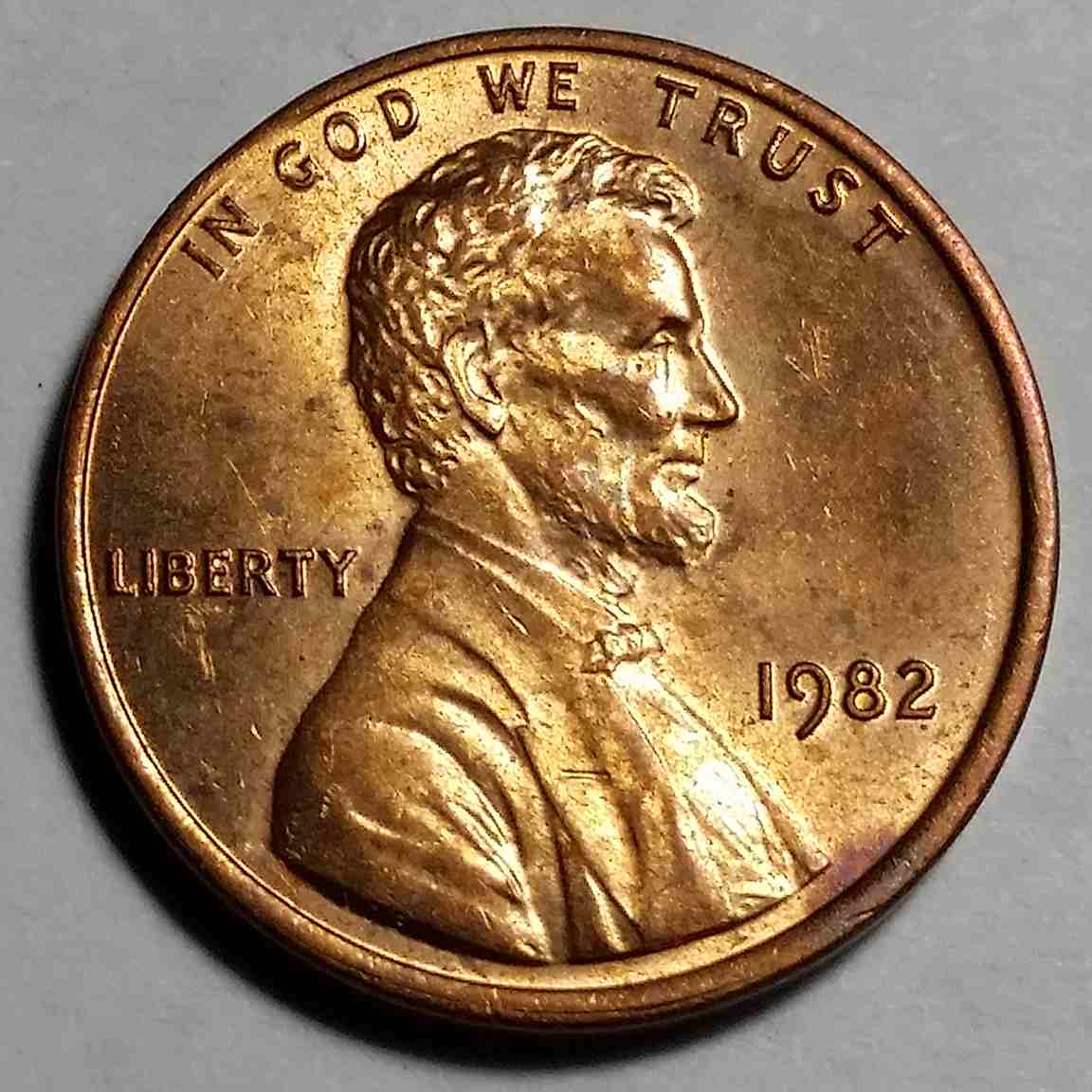
While common copper pennies are not necessarily rare, larger collections or coins in excellent condition may attract buyers looking to expand their collections.
Wheat Pennies (1909–1958)
Wheat pennies are among the most recognizable collectible pennies. Produced from 1909 to 1958, they feature two wheat stalks on the reverse side and remain popular with both beginner and experienced collectors.
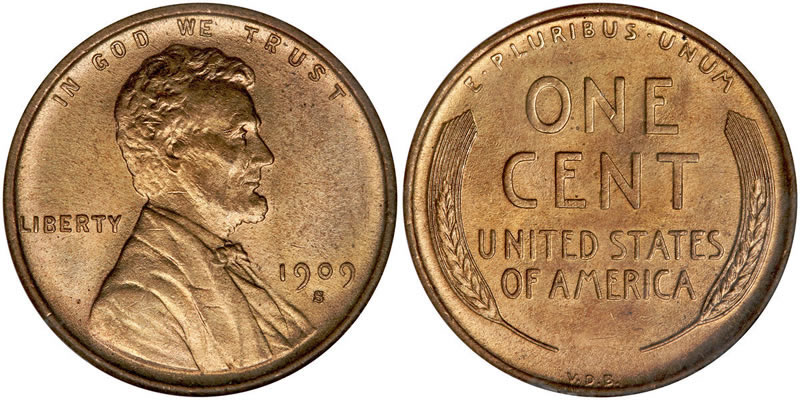
Although many wheat pennies are relatively common, certain dates, mint marks, and error varieties can be worth significantly more than face value. Even ordinary wheat pennies are often sold individually or in bulk lots to collectors.
Pennies with Rare Mint Marks or Errors
Some of the most sought-after pennies are those with uncommon mint marks or minting errors. Collectors often look for coins featuring:
- Rare mint marks
- Double die errors
- Off-center strikes
- Missing design elements
- Other unusual production mistakes
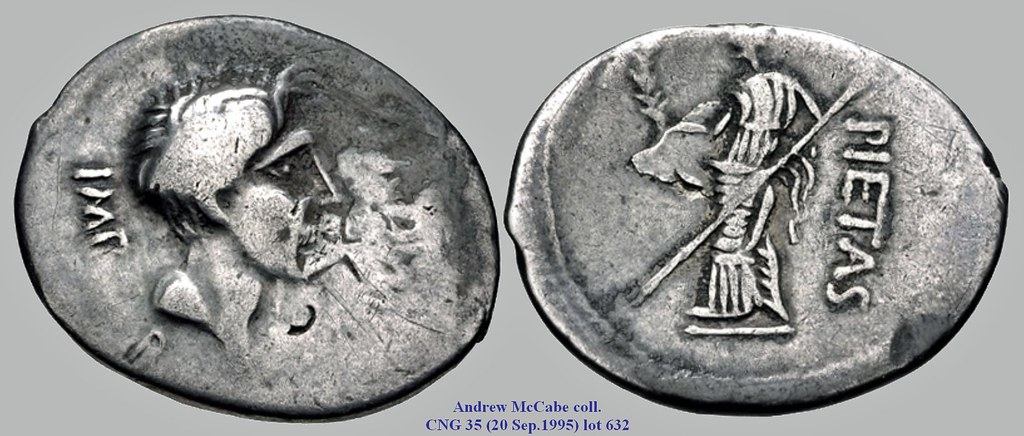
If a penny appears noticeably different from others of the same year, it may be worth researching before selling.
Uncirculated or Brilliant Coins
Condition plays an important role in a coin’s value. Pennies that have remained in excellent condition over the years often attract more interest than heavily worn examples.
Uncirculated or brilliant coins typically have:
- Sharp design details
- Minimal wear
- Original luster
- Clear dates and lettering
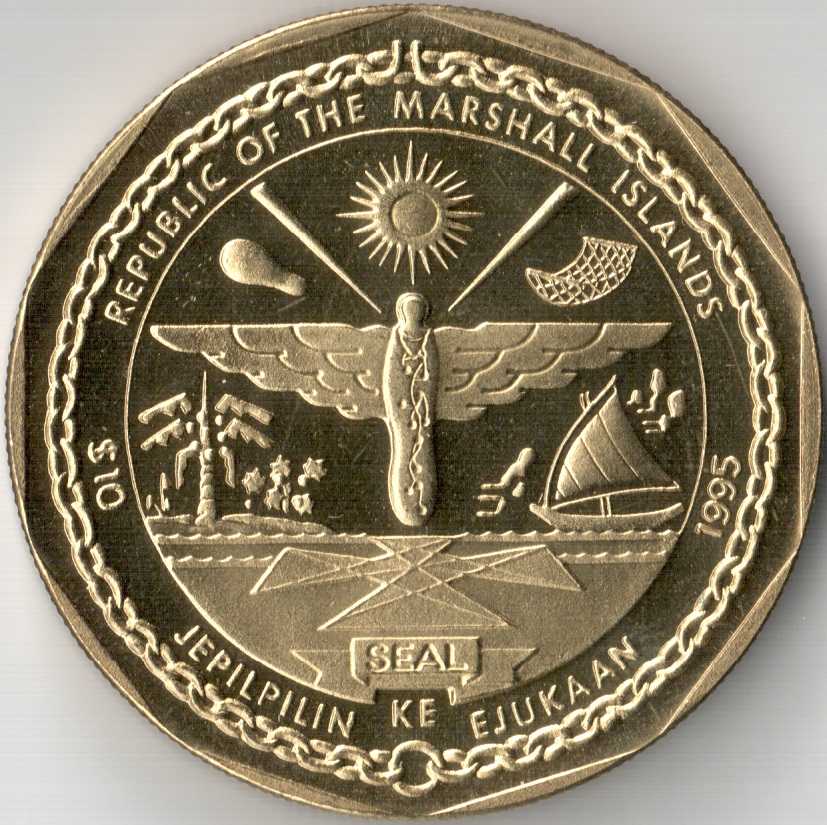
Even when a penny is not particularly rare, exceptional condition can make it more appealing to collectors and buyers.
How to Sell Old Pennies Online
Once you’ve determined that your pennies may have collector value, the next step is finding the right buyer.
Selling pennies online is relatively straightforward, but taking a few extra steps can help you attract more interest and secure a better price.
Step 1: Identify and Organize Your Pennies
Start by sorting your pennies based on factors such as: Year, Mint mark, Coin type, Condition, and Potential minting errors.
Organizing your collection makes it easier to research values, create listings, and answer questions from potential buyers.
Step 2: Estimate Their Value
Before setting a price, research similar coins that have recently sold online. Pay attention to coins with matching dates, mint marks, and conditions.
This helps you:
- Avoid underpricing valuable coins
- Set realistic expectations
- Create more competitive listings
If you own a particularly rare or valuable penny, you may also consider getting it professionally graded.
Step 3: Take Clear Photos
High-quality photos can significantly improve buyer confidence. When photographing pennies:
- Use natural or bright lighting
- Capture both the front and back of the coin
- Show close-up details of dates and mint marks
- Use a plain, uncluttered background
Clear images help buyers evaluate the coin’s condition and authenticity before making a purchase.
Step 4: Choose a Selling Platform
Different platforms cater to different types of sellers. For example:
- eBay is popular for individual coin sales and auctions.
- Etsy works well for vintage and collectible listings.
- Facebook Marketplace is useful for local transactions.
- Coin auction sites can help you reach serious collectors.
- A WooCommerce store gives you complete control if you regularly sell coins online.
The best platform depends on your collection size, selling goals, and preferred level of involvement.
Step 5: Create an Accurate Listing
A detailed listing can help your pennies stand out from competing offers. Include information such as: Coin year, Mint mark, Condition, Notable features or errors, Certification details (if graded).
Avoid exaggerating rarity or value. Honest descriptions build trust and reduce disputes with buyers.
Step 6: Package and Ship Securely
After making a sale, protect the coin during transit. Consider using:
- Coin holders or protective sleeves
- Bubble wrap or padded envelopes
- Tracking and insurance for higher-value shipments
Proper packaging helps ensure the coin arrives safely and maintains its condition.
Step 7: Build Your Reputation as a Seller
If you plan to sell coins regularly, positive reviews and buyer trust become increasingly important. Focus on: Accurate listings, Fast communication, Secure shipping, Fair pricing.
Over time, a strong reputation can help you attract repeat buyers and sell coins more easily.
Can You Sell Copper Pennies?
Yes, you can sell copper pennies online, especially to coin collectors and hobbyists. However, their value typically comes from collector demand, rarity, condition, or historical significance rather than simply the copper they contain.
Most U.S. pennies minted before 1982 contain a higher percentage of copper than modern pennies. Because of this, many collectors specifically seek older copper cents to add to their collections or coin lots.
Why Are Copper Pennies Popular?
Copper pennies are popular for several reasons:
- They contain more copper than modern zinc-based pennies.
- Many were produced decades ago and appeal to collectors.
- Certain dates and mint marks are harder to find.
- Some collectors enjoy building complete sets of pre-1982 pennies.
While most copper pennies are not rare, large collections of sorted copper cents may attract interest from buyers who collect or trade coins.
How to Identify Copper Pennies
A quick way to identify many copper pennies is to check the date.
In general:
- Pennies minted before 1982 are mostly copper.
- Pennies minted after 1982 are primarily zinc with a thin copper coating.
- Some 1982 pennies were produced using different metal compositions, making them a unique year for collectors.
If you are unsure about a coin’s composition, researching the specific year and mint mark can help.
What to Know Before Selling Wheat Pennies
Wheat pennies are among the most popular collectible U.S. coins. Minted between 1909 and 1958, these coins feature two wheat stalks on the reverse side, which is why collectors often refer to them as “wheat cents” or “wheat pennies.”
While many wheat pennies are relatively common, certain dates, mint marks, and error varieties can be worth significantly more than face value. Before selling, it’s a good idea to identify the coin’s year, mint mark, and condition to estimate its potential value.
Should You Sell Pennies Individually or in Bulk?
The answer depends on the collection. You may want to sell wheat pennies individually if they:
- Have a rare date or mint mark
- Contains a notable minting error
- Are professionally graded
- Remain in exceptional condition
More common pennies are often sold in bulk lots, which can save time and appeal to collectors looking to fill gaps in their collections. However, if a coin has a desirable date, mint mark, error, or exceptional condition, selling it individually may attract more collector interest.
Best Places to Sell Pennies Online
There are several ways to sell pennies online, ranging from large marketplaces to dedicated online stores. The best platform depends on the type of pennies you’re selling, the size of your collection, and how much control you want over pricing and customer interactions.
If you’re selling a few wheat pennies or copper cents, a marketplace may be the easiest option. If you regularly buy and sell collectible coins, creating your own online store can provide greater flexibility and long-term growth opportunities.
Here’s a comparison of some of the most popular platforms for selling pennies online.
| Your Penny Situation | Best Platform(s) | Why |
|---|---|---|
| A few old pennies from a jar or collection | eBay, Facebook Marketplace | Easy to list and reach buyers interested in collectible coins. |
| Pre-1982 copper pennies | eBay, Facebook Marketplace | Commonly sold individually or in bulk lots to collectors and hobbyists. |
| Wheat pennies (1909–1958) | eBay, Etsy | Popular among collectors and often sold as individual coins or themed sets. |
| Pennies with unusual errors or mint marks | eBay, Reddit | Collectors actively search for these coins, and Reddit communities can help with identification and pricing feedback. |
| Uncirculated or brilliant pennies | eBay, Etsy | Buyers often pay more for coins in excellent condition with strong visual appeal. |
| Large coin collections or regular inventory | WooCommerce, Shopify | Better suited for sellers who want their own store and long-term control over listings. |
| Local penny sales | Facebook Marketplace | Allows buyers and sellers to connect without shipping costs. |
| Rare or potentially valuable pennies | eBay or specialized coin auction platforms | Dedicated collectors are more likely to discover and bid on higher-value coins. |
eBay
eBay is one of the most popular platforms for selling pennies online. Whether you’re listing a single rare penny, a roll of wheat cents, or an entire coin collection, eBay gives you access to a large audience of collectors and buyers actively searching for coins.
You can choose between fixed-price listings and auction-style listings, making it easier to test demand and find the right price for your pennies.
How to Sell Pennies on eBay:
Create an eBay seller account and list your pennies with clear photos, accurate descriptions, and relevant details such as the coin’s date, mint mark, condition, and any notable errors. You can sell individual coins, bulk lots, or complete collections depending on your inventory.
Pros:
- Large marketplace with millions of potential buyers
- Popular among coin collectors and hobbyists
- Supports both auctions and fixed-price listings
Cons:
- Seller fees can reduce profit margins
- High competition in popular coin categories
- Buyers may negotiate or request additional information before purchasing
Facebook Marketplace
Perfect for casual sellers, Facebook Marketplace is free and fast. It’s especially good for bulk penny sales or small lots that appeal to buyers nearby or in collector groups.
How to Sell Pennies on Facebook Marketplace:
Create a new listing with pictures and a short description. Choose your price, location, and shipping (if you offer it). Respond to inquiries directly in Messenger.
Pros:
- Totally free with no listing fees
- Great for local sales or pickup
- Beginner-friendly—no store setup needed
- You can post in niche coin groups for better reach
Cons:
- Mostly local unless shared in groups
- Limited protections for buyers and sellers
- A less serious buyer pool compared to e-commerce platforms
Etsy
Etsy may be best known for handmade crafts, but collectors love it too, especially for vintage or themed coin sets. If you enjoy creative presentations or want to pair coins with other crafts, Etsy can be a fun outlet.

How to Sell Pennies on Etsy:
Open a seller account, list your coins under the “Vintage” or “Collectibles” category, and write engaging descriptions. Use high-quality images and consider offering themed bundles or presentation packaging.
Pros:
- A niche audience that appreciates collectible items
- Easy to set up and manage
- Great for creative or giftable penny displays
Cons:
- Charges a 6.5% transaction fee and a $0.20 listing fee per item, plus payment processing fees.
- Highly visual—good photos are a must
- Saturated in some collectible categories
Reddit has several coin-collecting communities where hobbyists actively trade, sell, or even give away pennies. While not a traditional eCommerce platform, it’s a great place to build trust and learn from others.
How to Sell Pennies on Reddit:
Join related subreddits, read the posting rules, and share clear images and prices in your listing post. Be honest, polite, and engage with comments to build credibility.
Pros:
- Direct access to active collectors
- Great for getting feedback on your coins
- No platform or listing fees
Cons:
- No built-in payment/shipping system—you’ll need PayPal or Venmo
- Reputation-based—trust matters
- Posts can get buried quickly if not active
WooCommerce
For hobbyists who enjoy showcasing their collection and experimenting online, WooCommerce is a standout. It lets you turn a WordPress site into a fully functional penny store, with zero marketplace fees and total creative freedom.
How to Sell Pennies on WooCommerce:
Install the free WooCommerce plugin on your WordPress site. Then, add your pennies as products with photos, pricing, and descriptions. You can customize the look of your shop, create bundles, and even use additional plugins for further personalization.
Pros:
- 100% control over your listings and design
- No platform or selling fees—just your own hosting
- Seamless integration with addons like WowStore (for showcasing) and WowAddons (for filtering, layout, and more)
- Ideal for hobbyists who want to grow slowly and creatively
Cons:
- Requires basic WordPress and WooCommerce setup
- You need to bring your own visitors (no built-in traffic)
Shopify
If you want a plug-and-play store without the need to manage a website backend, Shopify is a strong option. It’s simple to use, beautifully designed, and lets you launch quickly—even with just a handful of pennies to sell.

How to Sell Pennies on Shopify:
Create a Shopify account, choose a store template, and add your penny listings as products. You can organize them by type (like wheat pennies or copper rolls), upload pictures, and offer checkout via credit card or PayPal.
Pros:
- Super easy for beginners with no tech hassle
- Modern templates for a professional store look
- Tools for marketing, discounts, and inventory are built in
Cons:
- Offers plans starting around $39/month (or less with annual billing/starter plans) plus transaction fees
- Add-ons and apps can get expensive
- Less customizable than WooCommerce unless you pay extra
Amazon
Amazon isn’t the first place hobbyists think of for penny sales, but it’s possible to list coins under the collectibles category. However, it’s best for high-volume or more formal sellers rather than casual hobbyists.

How to Sell Pennies on Amazon:
You’ll need a seller account (Professional plan for full access). Then, list your items under the correct collectible category with proper condition grading and photos. Fulfillment by Amazon (FBA) is optional.
Pros:
- Huge built-in audience
- Trust factor from buyers
- Advanced tools for scaling your store
Cons:
- Has a $39.99/month Professional plan option, but crucial additional referral fees per sale apply.
- Strict listing policies for collectibles
- Not ideal for hobby-based or occasional sellers
Which Platform Is Best for Selling Pennies?
The right platform depends on your goals.
- Choose Facebook Marketplace if you want to sell locally and avoid most fees.
- Choose Etsy if you’re selling vintage, collectible, or gift-ready penny collections.
- Choose Reddit if you want to connect directly with coin collectors and enthusiasts.
- Choose Amazon if you’re operating at a larger scale and can meet marketplace requirements.
- Choose Shopify if you want a simple online store without managing WordPress.
- Choose WooCommerce if you want full control over your store, branding, pricing, and customer relationships.
Many sellers start on a marketplace to test demand and later create their own online store as their collection or coin-selling business grows.
Tips for Selling Pennies Online Successfully
Finding the right platform is only part of the process. How you present, price, and ship your pennies can have a significant impact on whether they sell and how much buyers are willing to pay.
Here are some practical tips to help you create better listings and attract more potential buyers.
Take Clear, High-Quality Photos
Photos are often the first thing buyers look at when evaluating a coin. When photographing pennies:
- Use natural or bright lighting.
- Capture both the front and back of the coin.
- Include close-up shots of dates, mint marks, or unique features.
- Use a simple, uncluttered background.
Clear photos help buyers assess the coin’s condition and build confidence in your listing.
Write Accurate and Honest Descriptions
A detailed description can answer common buyer questions and reduce misunderstandings. Include information such as: Year, Mint mark, Condition, Notable errors or features, and whether the coin is part of a collection or lot.
Avoid exaggerating rarity or value. Honest listings are more likely to earn positive reviews and repeat customers.
Research Prices Before Listing
Before setting a price, compare your penny with similar coins that have recently sold. Look for coins with matching: Dates, Mint marks, Conditions, and Error varieties.
Researching completed sales can help you price your coins competitively and avoid underpricing valuable pieces.
Keep Coins Organized
Whether you’re selling a few coins or an entire collection, organization makes the process easier. Consider grouping pennies by: Year, Mint mark, Coin type, Collection theme.
Well-organized listings can improve the buying experience and make your inventory easier to manage.
Package Coins Securely
Protecting coins during shipping is important, especially for collectible or high-value pieces. Consider using: Coin holders or protective sleeves, Padded mailers, Bubble wrap, Tracking and insurance for valuable shipments.
Proper packaging helps preserve the coin’s condition and reduces the risk of shipping-related disputes.
Build Trust with Buyers
Trust plays a major role in online sales. You can build credibility by:
- Using clear photos
- Providing accurate descriptions
- Responding quickly to questions
- Shipping orders promptly
- Being transparent about flaws or wear
Even small actions can help improve buyer confidence and increase your chances of making a sale.
Create Your Own Coin Selling Website
Marketplaces like eBay, Etsy, and Facebook Marketplace are excellent starting points for selling pennies online. However, if you regularly buy, sell, or collect coins, creating your own website can give you more control over how you showcase your collection and interact with buyers.
A self-hosted online store can be particularly useful for collectors, hobbyists, and small coin businesses that want to build a recognizable brand over time.
For WordPress users, WooCommerce is a popular option for creating an online coin store. It allows you to add coins as products, manage inventory, accept payments, and handle orders from a single dashboard.
Depending on your needs, you can also extend your store with additional tools. For example:
- Store-building plugins such as WowStore can help customize product layouts and collection pages.
- Product option plugins such as WowAddons can be used to offer coin variations, bundles, or custom selections.
- Wishlist features can help returning visitors save coins they may want to purchase later.
If you’re only selling a few pennies, a marketplace may be the simplest option. But if you plan to grow your collection into a long-term hobby or business, having your own website can provide greater flexibility and control.
Read More: How to Sell Shoes Online Like a Pro.
Coin Communities That Can Help You Sell Pennies
Selling pennies online isn’t just about creating listings. Joining coin-collecting communities can help you learn more about coin values, identify rare finds, get pricing advice, and connect with potential buyers.
Whether you’re selling a few wheat pennies or managing a larger collection, these communities can provide valuable insights and help you stay informed about trends in the coin-collecting market.
Reddit Communities (Subreddits)
Reddit hosts several active coin-collecting communities where members discuss coin values, identify rare finds, and occasionally buy, sell, or trade collectible pennies.
- r/coins: A general community for coin collectors. Great for feedback, history, and occasional buying/selling.
- r/coincollecting: Focused more on collecting than selling, but trades and offers do pop up regularly.
- r/Silverbugs: Though primarily silver-focused, some members also collect copper and rare pennies.
- r/PMsForSale: A trusted subreddit for buying/selling precious metal coins, including collectible pennies.
💡 Pro Tip
Always read the subreddit’s rules before posting. Many have specific formats or requirements for listing coins for sale.
Facebook Groups for Coin Selling & Collecting
Facebook has a huge community of coin collectors, with active buy/sell groups. Here are a few worth joining:
- The Original USA Coins and Currency: Specifically for American coins, including copper pennies, wheat pennies, and error coins.
- Lincoln Cent Hunters: Dedicated to the Lincoln penny! Ideal if you’re listing multiple date ranges or varieties.
- Coin Roll Hunting: Great for sharing discoveries and selling small lots of interesting pennies found during roll hunts.
These groups often prefer listing with photos and a price. Make sure to read the group guidelines and be transparent in your listings.
Online Coin Forums
- Collectors Universe Forums
Run by PCGS, this community has trusted members and active listings in its Buy, Sell, Trade section. - CoinWeek
A well-known numismatic media brand that sometimes shares fan submissions and collector spotlights.
FAQs
Can I actually get rich selling pennies online?
Maybe, but don’t expect to get rich on the first attempt as an amateur. Most hobbyists sell pennies for fun, learning, and the thrill of sharing their collection. Some unique or bulk lots may bring in small profits, but the real value is in the experience.
Do I need to clean my pennies before selling them?
Nope! In fact, collectors often prefer coins in their natural state. Cleaning them can actually reduce their appeal or value, so it’s best to leave them as-is.
Is it legal to sell copper pennies online?
Yes, it’s legal to sell copper pennies—but melting them down is prohibited. Many hobbyists collect pre-1982 pennies for their copper content, but sales should be for collection or display, not scrap.
Can I sell pennies from outside the U.S.?
Yes, as long as your e-commerce platform allows international sales. Just note that shipping costs and currency exchange might affect your listing’s appeal. U.S. pennies tend to be more popular with American buyers, though.
Can I Sell Pennies That Are Still in Circulation?
Yes, you can legally sell pennies that are still in circulation, but only at face value or as collectibles, but not for their metal content.
Wrapping Up
Selling pennies online can be a great way to turn old coins, inherited collections, or forgotten jars of change into something valuable.
By identifying collectible pennies, researching their value, choosing the right selling platform, and creating accurate listings, you can connect with buyers who appreciate what your coins have to offer.
Whether you’re selling a few wheat pennies or building a dedicated coin-selling business, the key is to start with research, stay transparent with buyers, and choose the platform that best fits your goals.